
India
Burnout retreats in India
Burnout retreats in India — the houses and programmes that address it, how long to stay, the travel season and what to consider first.
The wellness goal
“I am not depressed. I am just completely empty.”
The condition the wellness industry was arguably built for, and the one where the length of stay matters more than the choice of house.
Burnout is not tiredness and it does not respond to a long weekend. The distinguishing feature is that rest stops working — you sleep and wake up unrestored, and the things you used to want you now merely owe. The World Health Organization classifies it as an occupational phenomenon rather than a medical condition, which is precisely why nobody is treating it and why people end up looking at wellness retreats at two in the morning.
What helps is a genuine stop: somewhere with no decisions in it, where the food arrives, the day has a shape you did not have to design, and there is nothing you are supposed to be achieving. The good houses add bodywork, breath, sleep repair and a nutritional reset, and — this is the part that separates them — a conversation about what you are going back to.
The commonest mistake is booking a week. A week is enough to stop and not enough to start again; most people spend it decompressing and go home at the exact point the programme would have begun to work.
Approaches to explore
- ayurvedaRasayana — the rebuilding line rather than the purification one — is the correct Ayurvedic answer to depletion. Anybody proposing an aggressive detox for exhaustion has misread the case.
- sowa rigpaThe integrated houses assess across traditions and let the assessment choose, which suits presentations that are not obviously one thing.
What the experience may involve
- An arrival assessment that asks about your life rather than your symptoms, and takes an hour.
- A deliberately light first three days. Being told to do less is the treatment, and most guests fight it.
- Bodywork most days, and it will be slow rather than deep.
- Nothing to decide: no menu, no timetable to build, no evening plan.
- A conversation before you leave about what happens when you get back, which is the only part with any long-term effect.
Where to go
3 houses, and what each is for
Retreat resort
Rishikesh, India
Six Senses Vana
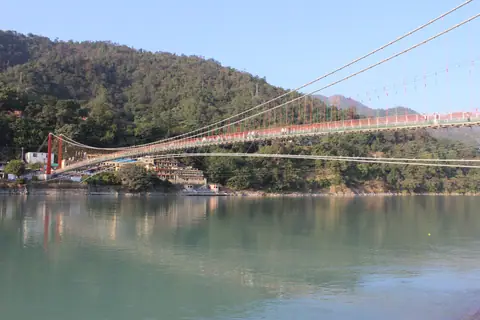
Opened as Vana in January 2014 and part of Six Senses since 2023, it is a full-board retreat whose core offering, in its own words, is based on Ayurveda, yoga, Tibetan medicine and natural healing therapies.
FromUS$11,116per personView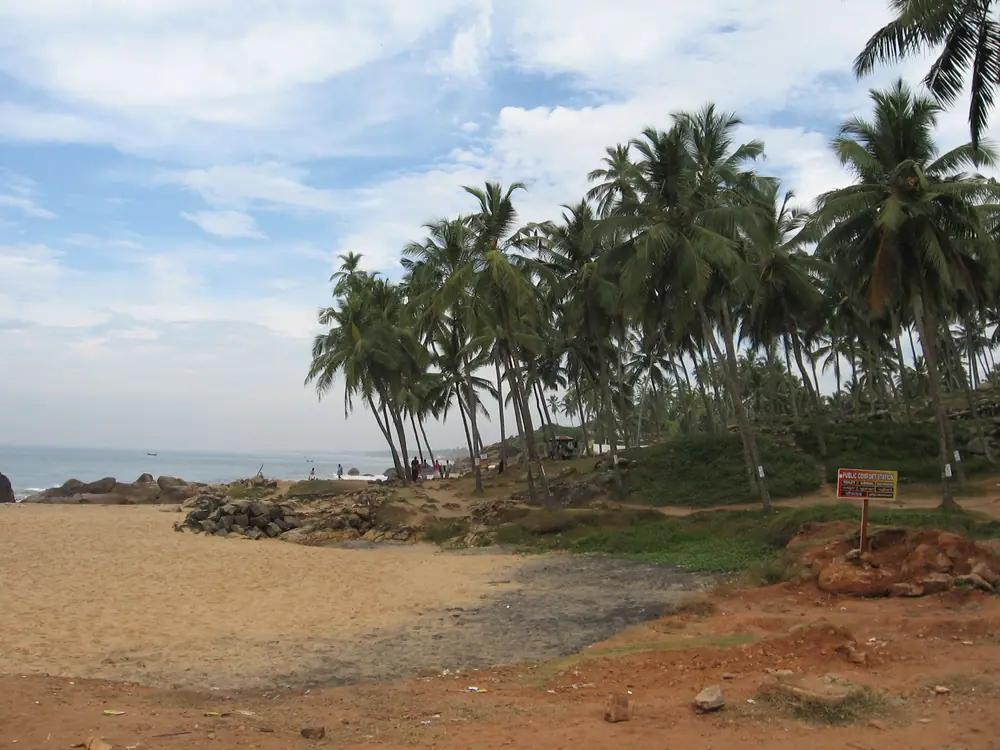 Ayurveda hospital
Kerala, India
Soma Manaltheeram Ayurveda Beach Village
The Somatheeram group’s beach-level Ayurveda hospital at Chowara: thatched mud-and-brick cottages among the palms, most with a sea view, and the same doctor-led packages as Somatheeram.
FromUS$2,060per personView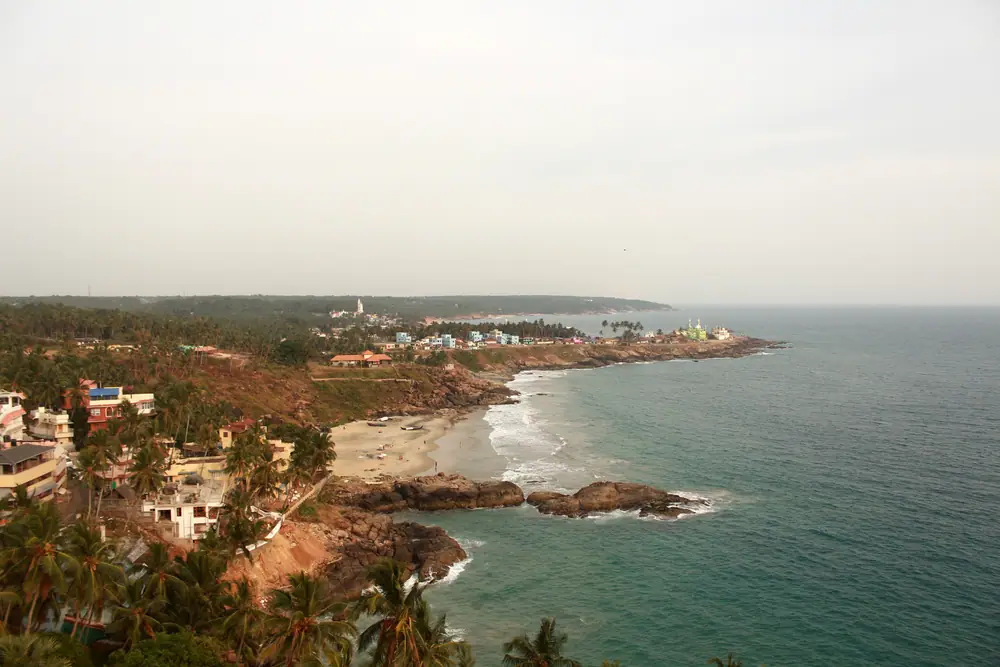 Ayurveda hospital
Kerala, India
AyurSoma
The Somatheeram group’s flagship, built in Kerala temple-and-palace style on the hill beside Somatheeram, with sea-view rooms, an infinity pool and private treatment rooms in its top categories.
FromUS$1,510per personView
What you can book
2 programmes
- Rest & rebuild
Soma Manaltheeram Ayurveda Beach Village · Kerala
Rejuvenation Therapy (Rasayana Chikilsa)
Manaltheeram’s Rasayana package — oil massage by two therapists, rejuvenation medicines and a steam bath — sold as seven or fourteen nights.
- 14 nights
- 7 / 14
FromUS$2,060per personDetails - Rest & rebuild
AyurSoma · Kerala
Rejuvenation Therapy (Rasayana Chikilsa)
AyurSoma’s Rasayana package — oil massage by two therapists, rejuvenation medicines and a steam bath — from seven nights.
- 7 nights
- 7 / 14
FromUS$1,510per personDetails
When to come
The season, place by place
| Destination | Jan | Feb | Mar | Apr | May | Jun | Jul | Aug | Sep | Oct | Nov | Dec |
|---|---|---|---|---|---|---|---|---|---|---|---|---|
| KeralaIndia | Jan: good alternative | Feb: good alternative | Mar: less suitable | Apr: less suitable | May: less suitable | Jun: preferred season | Jul: preferred season | Aug: preferred season | Sep: preferred season | Oct: good alternative | Nov: good alternative | Dec: good alternative |
| RishikeshIndia | Jan: good alternative | Feb: preferred season | Mar: preferred season | Apr: preferred season | May: less suitable | Jun: less suitable | Jul: less suitable | Aug: less suitable | Sep: preferred season | Oct: preferred season | Nov: preferred season | Dec: good alternative |
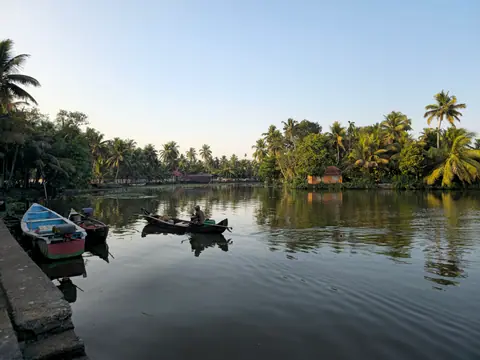
Kerala. For treatment the monsoon is the season — not despite the rain but because of it. Humidity keeps the skin and channels receptive to oil, the air is cool, and Keralans have taken their own annual course in this month for centuries. March to May is the part to avoid: 35 °C and humid is a poor climate for daily oil therapy. The brochures sell January because January photographs better, and it costs a great deal more for a less effective fortnight.
Rishikesh. February to April and late September to November: warm days, cold clear nights, and a river that is green rather than brown and in spate. July and August are landslide season in the hills. May and June are simply too hot for a full practice schedule, and December to January is cold enough that an unheated ashram room becomes a test of commitment.
Asked and answered
Before you ask
Is the monsoon really better, or is that a way to sell the low season?
Can I do a proper Panchakarma in a week?
What does a state Ayurveda classification actually prove?
Is a 200-hour certificate from Rishikesh taken seriously?
Can I do a training and a Panchakarma back to back?
How much does the crowding actually matter?
Not sure this is the right list?
Tell us what you want from the trip and we will help compare suitable properties, programme styles and travel dates for India or a better-fitting alternative.
Ask Heal & Rest