India
Ayurveda retreats in India
Ayurveda retreats in India: the houses that offer it, how long to stay, the best months to go and where a quote starts, per person.
About the tradition
India’s licensed system of medicine, practised as medicine
North and South India, continuously for well over two thousand years.
Ayurveda is a licensed system of medicine in India, which is the single fact that separates it from almost everything sold under its name elsewhere. A physician holds a BAMS — a five-and-a-half-year degree including a year of clinical internship — is registered with a statutory council, and practises in hospitals the state inspects. The person offering you an "Ayurvedic massage" in a beach hut has none of that, and the word does not distinguish between them.
The system is constitutional rather than symptomatic. It begins from the idea that people differ in a patterned way — the three doshas are the shorthand — and that the same complaint in two bodies wants two different treatments. In practice this means an examination before anything is prescribed, a prescription that changes daily, and a diet that is part of the medicine rather than a lifestyle suggestion.
What travellers meet is usually one of two lines. *Shamana* is the gentler, palliative one: oil therapy, diet, herbs, rest. *Shodhana* is purification, of which Panchakarma is the classical form, and it is a genuine medical procedure with a preparation phase, a removal phase and a rebuilding phase — three weeks properly, fourteen nights at an absolute minimum. Almost everything sold internationally as "Panchakarma" is the massage that precedes it.
Facts you can check
- Government Ayurveda College, Thiruvananthapuram — commonly dated to 1889 under Travancore royal patronage; today affiliated to Kerala University of Health Sciences.
- Arya Vaidya Sala, Kottakkal — founded 1902, still compounding classical formulations and running an affiliated college.
- The Department of Indian Systems of Medicine became AYUSH in November 2003 and a full Ministry of the Government of India on 9 November 2014.
- A BAMS is 5½ years including a compulsory rotating clinical internship; graduates register with a state or central council.
- NABH — India’s national hospital accreditation board — accredits a small number of Ayurvedic hospitals against clinical rather than tourism criteria.
- Kerala Tourism classifies Ayurveda centres under a three-tier Ayur Silver / Gold / Diamond scheme, which replaced the older Olive Leaf and Green Leaf grades.
Before you book
What the evidence supports, and what it does not
- mixedWarm-oil therapy relieves musculoskeletal pain and stiffness
Small trials and a very long clinical tradition. Sustained local heat and manual work on a guarded muscle has an unmysterious mechanism; the trials are mostly small, unblinded and conducted in India.
- mixedAyurvedic treatment helps rheumatoid arthritis and osteoarthritis symptoms
The best-known trial compared a classical Ayurvedic regimen with methotrexate in RA and found broadly comparable symptom outcomes in a small sample. One promising small trial is not a basis for changing your treatment.
- nonePanchakarma "removes toxins" from the body
Ama is a coherent concept inside the system and it is not a measurable substance that purification has been shown to clear. What a properly run Panchakarma demonstrably does is change diet, sleep, activity and digestion for three weeks under supervision — which is quite enough to explain how people feel afterwards.
- traditionalConstitutional assessment predicts which treatment will suit you
Central to the system, and attempts to validate dosha typing against biological markers have been inconclusive. Treat it as the framework a skilled physician uses rather than as a diagnostic test.
- mixedShirodhara improves sleep and reduces anxiety
Several small studies show reductions in anxiety measures. Forty minutes of warm oil on the forehead in a dark room is also a near-perfect relaxation protocol, which is not a criticism.
- noneAyurvedic preparations are inherently safe because they are natural
Flatly untrue and the most important line on this page. Some classical rasa shastra preparations contain heavy metals by design, and independent testing of imported products has repeatedly found lead, mercury and arsenic. Buy from the treating hospital, never from a market, and tell the physician every drug you take.
Where to go
19 houses, and what each is for
 Ayurveda hospital
Kerala, India
Somatheeram Ayurveda Village
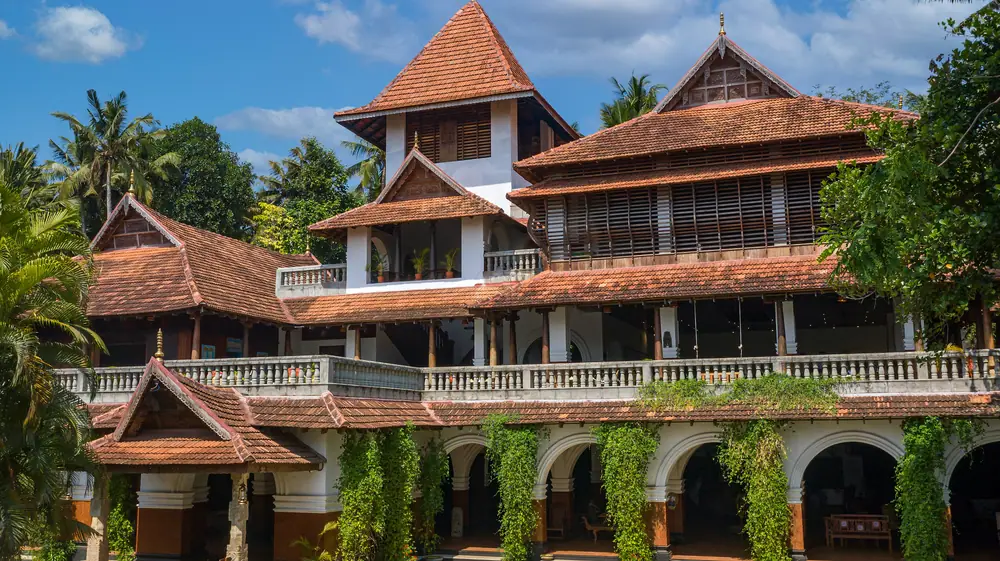
An Ayurveda hospital on a hillock at Chowara Beach. Its About page calls it the "World’s First Ayurveda Hospital with a Resort Ambiance" — its own claim, worded differently across its pages, one of which limits it to India.
FromUS$2,060per personView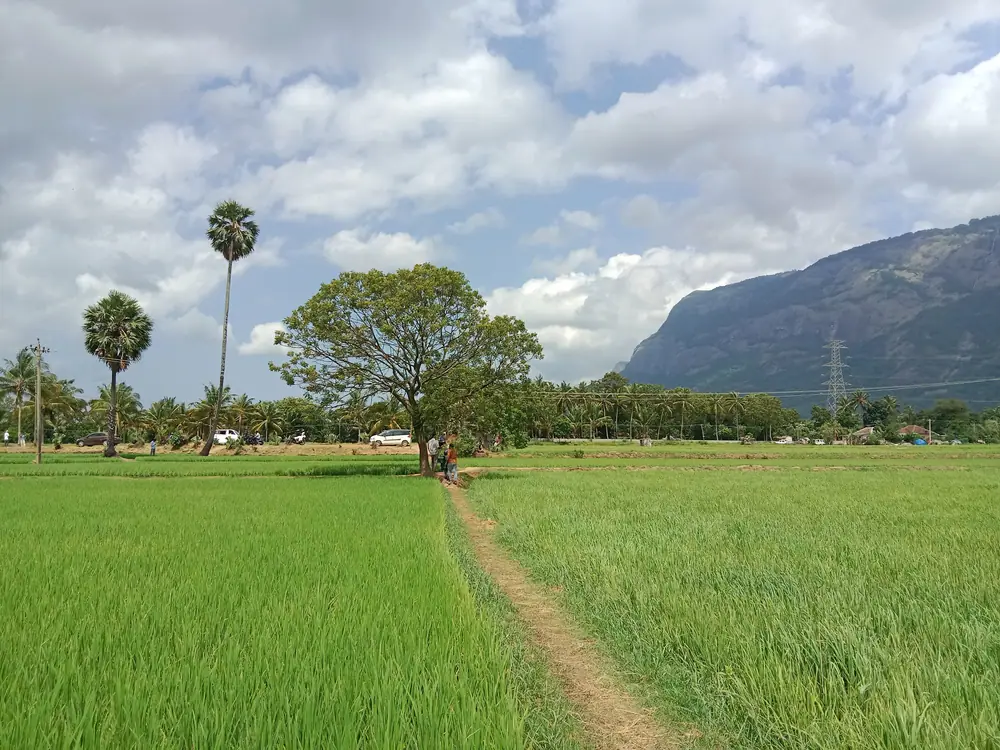 Ayurveda hospital
Kerala, India
Kalari Kovilakom
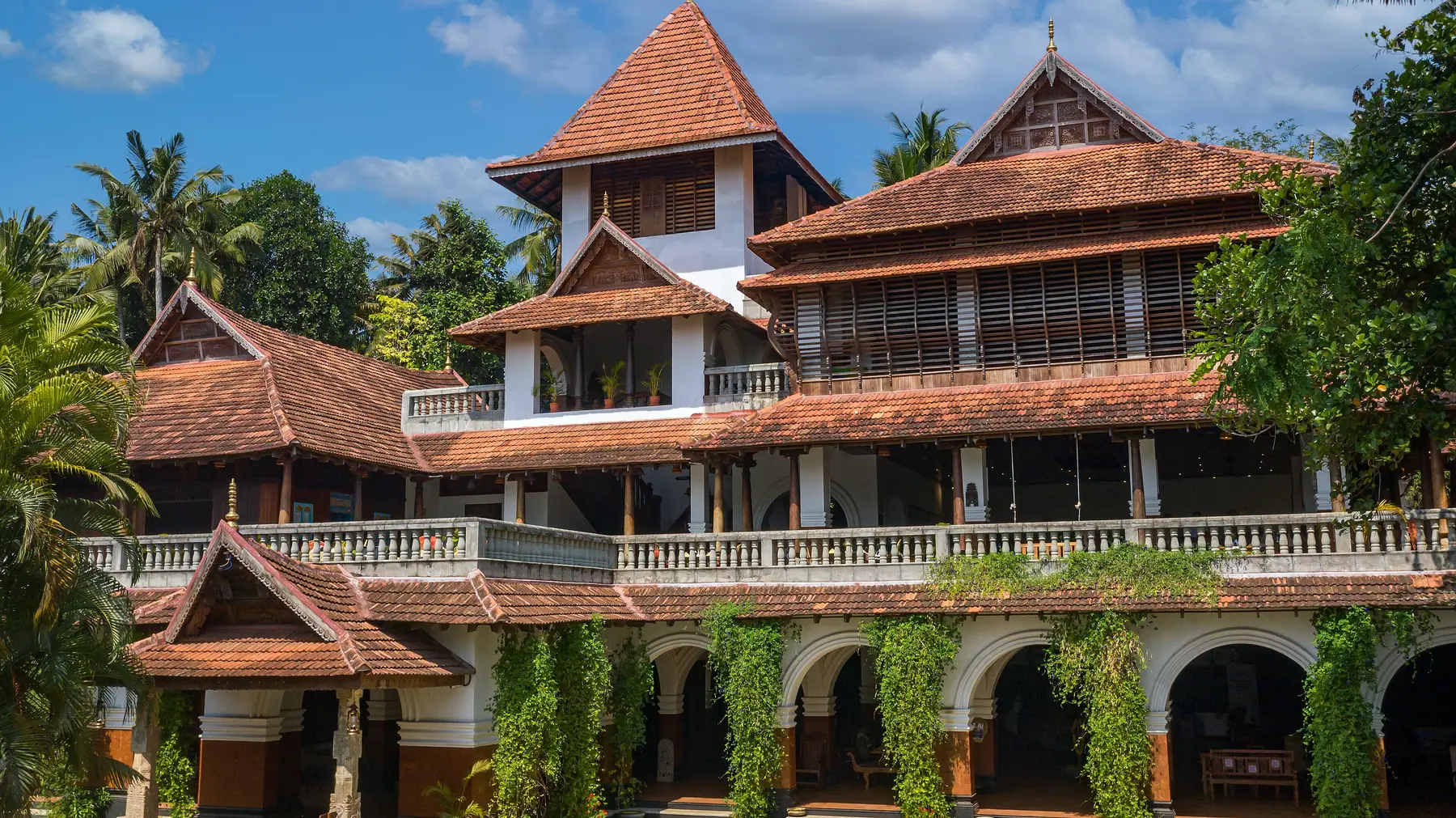
An Ayurveda hospital run by CGH Earth in what it describes as a 200-year-old palace near Kollengode, with 19 rooms, 12 treatment rooms and a 14-day minimum stay. The NABH certificate the site links ran until 28 January 2026.
Price on requestView Retreat resort
Kerala, India
Carnoustie Ayurveda & Wellness Resort
A villa resort with its own Ayurveda spa on the Arabian Sea shore at Marari, Alappuzha, set in what it describes as 25 acres of landscaped gardens.
Price on requestViewRetreat resort
Rishikesh, India
Ananda in the Himalayas
A wellness retreat on the 100-acre former palace estate of the Maharaja of Tehri-Garhwal, overlooking Rishikesh and the Ganga valley. Its press kit says it opened in 2000 as India’s first luxury wellness retreat.
FromUS$3,440per personViewRetreat resort
Rishikesh, India
Six Senses Vana
Opened as Vana in January 2014 and part of Six Senses since 2023, it is a full-board retreat whose core offering, in its own words, is based on Ayurveda, yoga, Tibetan medicine and natural healing therapies.
FromUS$11,116per personView Retreat resort
Kerala, India
Akanta Ayurveda & Yoga Cherai
An Ayurveda and yoga resort in Cherai that claims a physician lineage dating to 1952, publishing nine named programmes of 7 to 28 days and protocols for back pain, spine and neck, stroke, Parkinson’s and trigeminal neuralgia.
Price on requestView Ayurveda hospital
Kerala, India
Kairali – The Ayurvedic Healing Village
It describes itself as an NABH-accredited Ayurvedic hospital, and its directions page says "It is not a spa." Its programme pages print per-night rates for four villa categories in rupees, dollars and euros.
Price on requestView Ayurveda hospital
Kerala, India
Back to Roots Ayurveda
The site describes Back to Roots as an Ayurvedic hospital and retreat for in-patient treatment, with eight programmes of seven days or more and a founding physician whose clinic group is in the UAE.
Price on requestViewRetreat resort
Kerala, India
Chamundi Hill Palace Ayurveda Treatment Centre
A hilltop Ayurvedic treatment centre that calls itself a 'Heritage Ayurveda Retreat'. It publishes a day of two prescribed therapy sessions and yoga morning and evening, and its headline programme is a 28-day Panchakarma.
Price on requestViewRetreat resort
Rishikesh, India
Modi Yoga Retreat
A 29-room retreat (the FAQ’s count) in Rishikesh that describes itself as a holistic wellness retreat built on Ayurveda, naturopathy, yoga and meditation, and prints nightly rupee rates on its own site.
Price on requestViewRetreat resort
Rishikesh, India
Nirvana Yoga School
A yoga teacher-training school in Tapovan that describes itself as a Yoga Alliance USA registered RYS 200, 300 and 500 school. It also sells 3-, 5- and 7-day retreats, each with published prices, dates and a timed daily schedule.
Price on requestViewRetreat resort
Kerala, India
Mekosha Ayurveda Spasuites Retreat
An eleven-suite riverside retreat north of Trivandrum where every room is a "Spasuite" with its own treatment area. The site says most treatments are given in the suite, with a rooftop spa for heavy-oil ones.
Price on requestViewAshram & yoga school
Rishikesh, India
Rishikesh Yogpeeth
A Hatha yoga teacher-training school that says it is registered with Yoga Alliance, selling 200-, 300- and 500-hour courses and 3- to 14-day yoga, Ayurveda and detox retreats; the site says its Abhayaranya ashram has no vehicle access.
Price on requestViewRetreat resort
Rishikesh, India
Naturoville Wellness
An Ayurveda and naturopathy resort on the Haridwar–Dehradun road whose page titles say Rishikesh. It publishes three different lists of what a stay includes.
Price on requestViewRetreat resort
Rishikesh, India
The Rudraksh Retreat
A family-run retreat in Selur, Tehri Garhwal, selling a three-, five- or seven-night Rudraksh Yogic Detox and a seven- or ten-night Ayurveda Panchakarma.
Price on requestViewRetreat resort
Rishikesh, India
Veda5 Ayurveda & Yoga Retreat
An Ayurveda and yoga retreat on Neelkanth Road, Rishikesh, whose four main package pages give daily treatment minutes and a recommended stay.
Price on requestView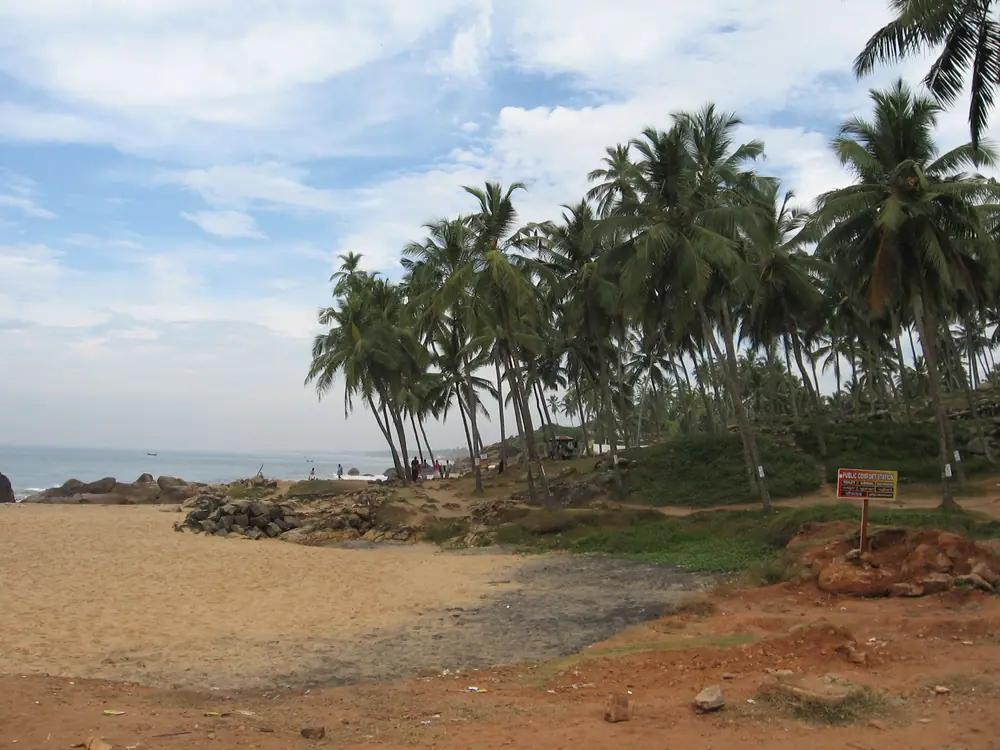 Ayurveda hospital
Kerala, India
Soma Manaltheeram Ayurveda Beach Village
The Somatheeram group’s beach-level Ayurveda hospital at Chowara: thatched mud-and-brick cottages among the palms, most with a sea view, and the same doctor-led packages as Somatheeram.
FromUS$2,060per personView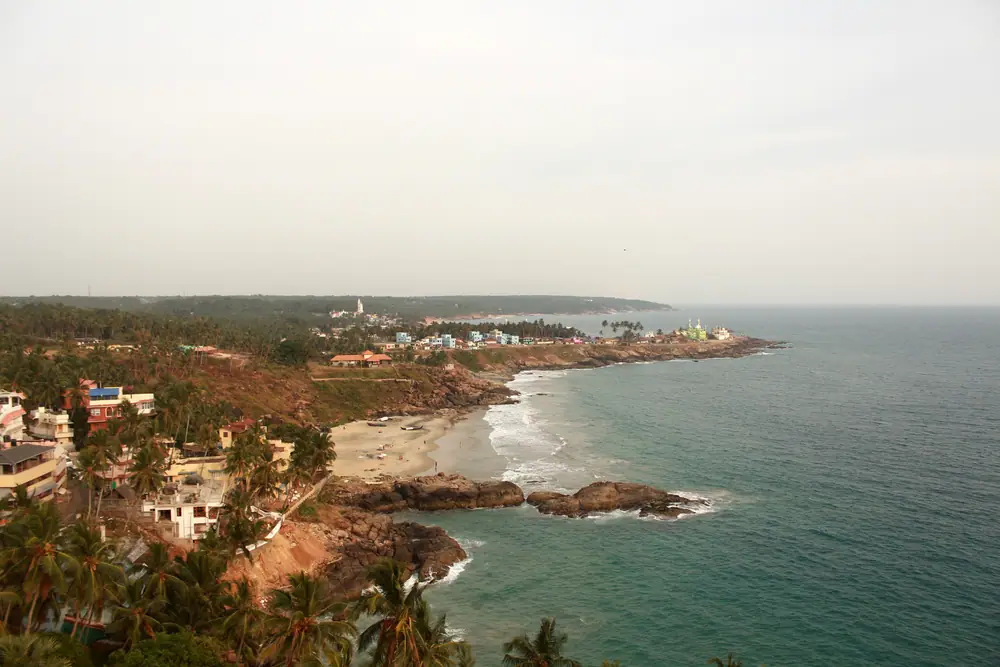 Ayurveda hospital
Kerala, India
AyurSoma
The Somatheeram group’s flagship, built in Kerala temple-and-palace style on the hill beside Somatheeram, with sea-view rooms, an infinity pool and private treatment rooms in its top categories.
FromUS$1,510per personView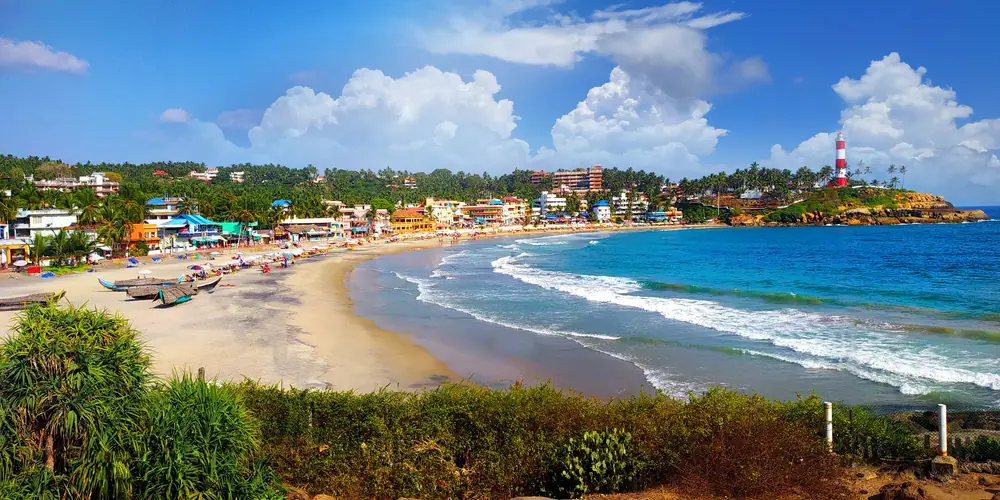 Retreat resort
Kerala, India
Soma Palmshore
The Somatheeram group’s house at Kovalam itself, on the cliffs along Lighthouse Road: three categories of sea-facing rooms, with Ayurveda packages from seven nights or a room on breakfast.
FromUS$820per personView
What you can book
13 programmes
 Detox & cleanse
Somatheeram Ayurveda Village · Kerala
Body Purification Therapy (Shodhana Chikilsa)
Somatheeram’s Panchakarma purification package — Shodhana Chikilsa — sold as a seven-night or fourteen-night stay.
- 14 nights
- 7 / 14
FromUS$2,060per personDetailsRest & rebuild
Somatheeram Ayurveda Village · Kerala
Stress Management Programme
Somatheeram’s stress management package — yoga, meditation, dhara and massage — sold as a fourteen-night or twenty-one-night stay.
- 14 nights
- 14 / 21
FromUS$2,630per personDetails Detox & cleanse
Kalari Kovilakom · Kerala
Complete Detox — Panchakarma Chikitsa
Panchakarma over 21 to 28 days at a palace near Kollengode the property describes as 200 years old and a NABH-accredited Ayurveda hospital.
- 21 nights
- 21 / 28
Price on requestDetails Women's health
Carnoustie Ayurveda & Wellness Resort · Kerala
Women’s health care
Carnoustie describes it as a combination of Ayurveda and yoga, with daily treatment and a daily doctor’s consultation.
Price on requestDetails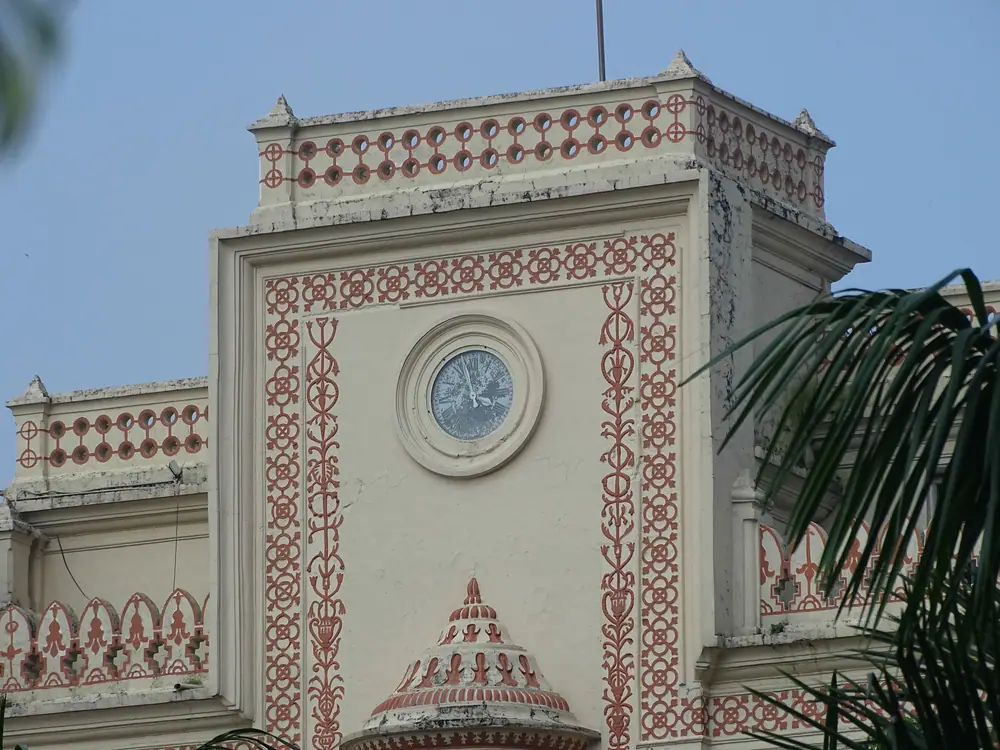 Rest & rebuild
Ananda in the Himalayas · Rishikesh
Ayurvedic Rejuvenation and Immunity Booster
Ananda’s Ayurvedic programme for immunity and vitality, sold at 7, 14 or 21 nights on the Palace Estate at Narendra Nagar.
- 14 nights
- 7 / 14 / 21
FromUS$6,880per personDetails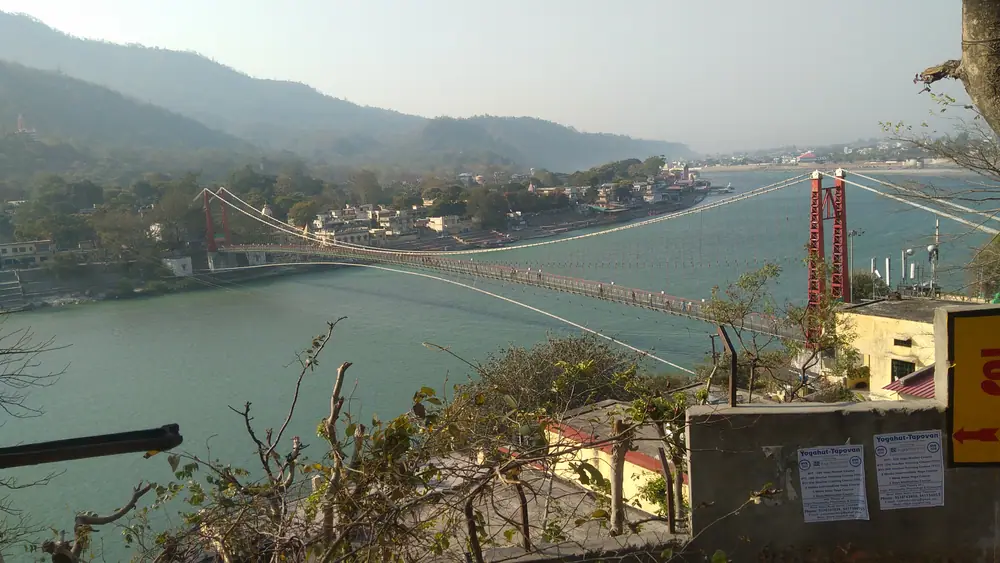 Learn & practise
Ananda in the Himalayas · Rishikesh
Holistic Yoga
Ananda’s Holistic Yoga: classical Hatha and Raja Yoga with elements of Karma, Bhakti and Jnana Yoga, sold at 7, 14 or 21 nights.
- 7 nights
- 7 / 14 / 21
FromUS$3,440per personDetails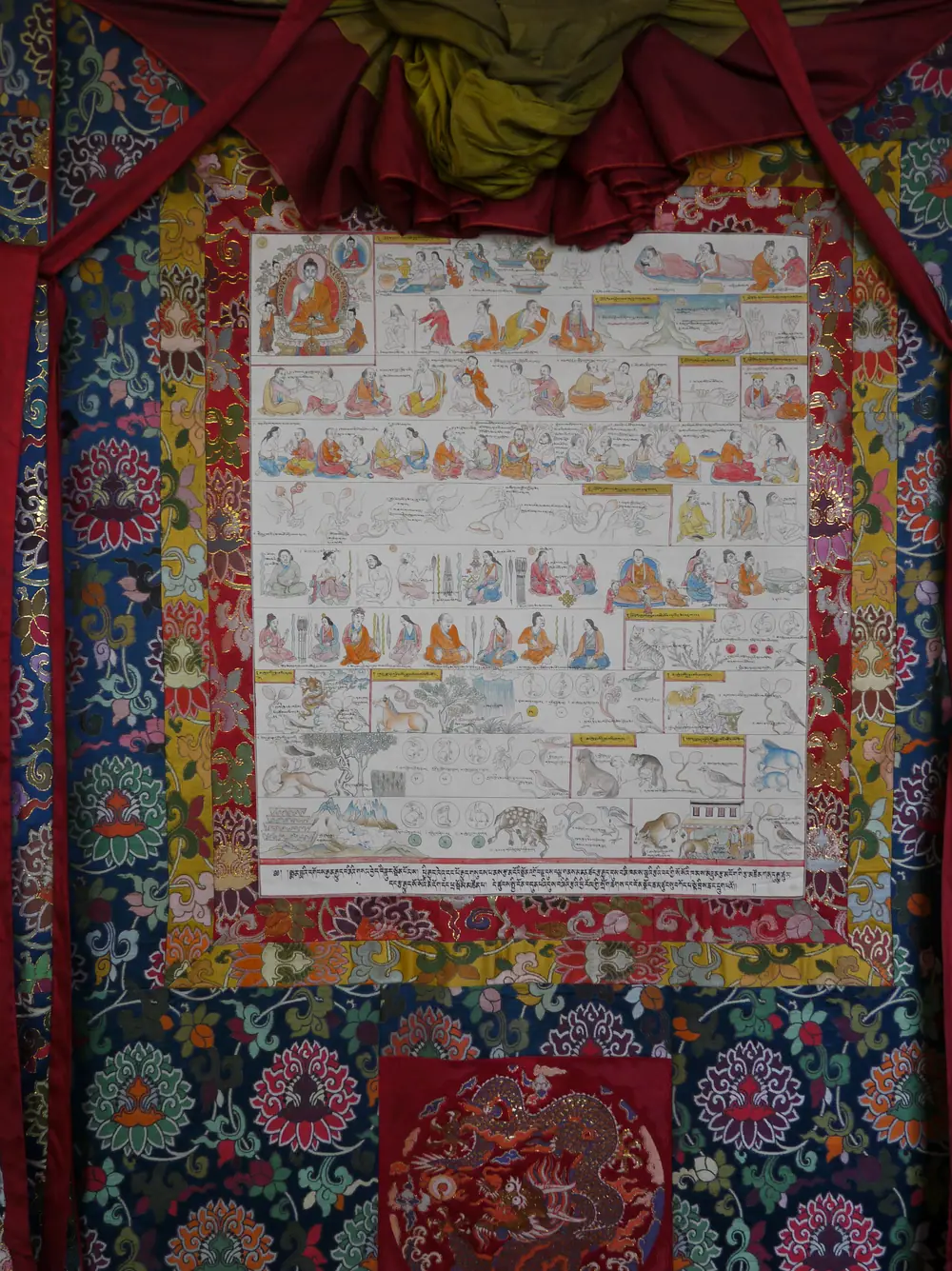 Rest & rebuild
Six Senses Vana · Rishikesh
Tibetan Medicine (Sowa Rigpa)
Sowa Rigpa, the Tibetan system of medicine, sold as a five-, seven- or 14-night programme in the Himalayan foothills at Dehradun.
- 14 nights
- 5 / 7 / 14
FromUS$11,116per personDetails- Rest & rebuild
Soma Manaltheeram Ayurveda Beach Village · Kerala
Rejuvenation Therapy (Rasayana Chikilsa)
Manaltheeram’s Rasayana package — oil massage by two therapists, rejuvenation medicines and a steam bath — sold as seven or fourteen nights.
- 14 nights
- 7 / 14
FromUS$2,060per personDetails 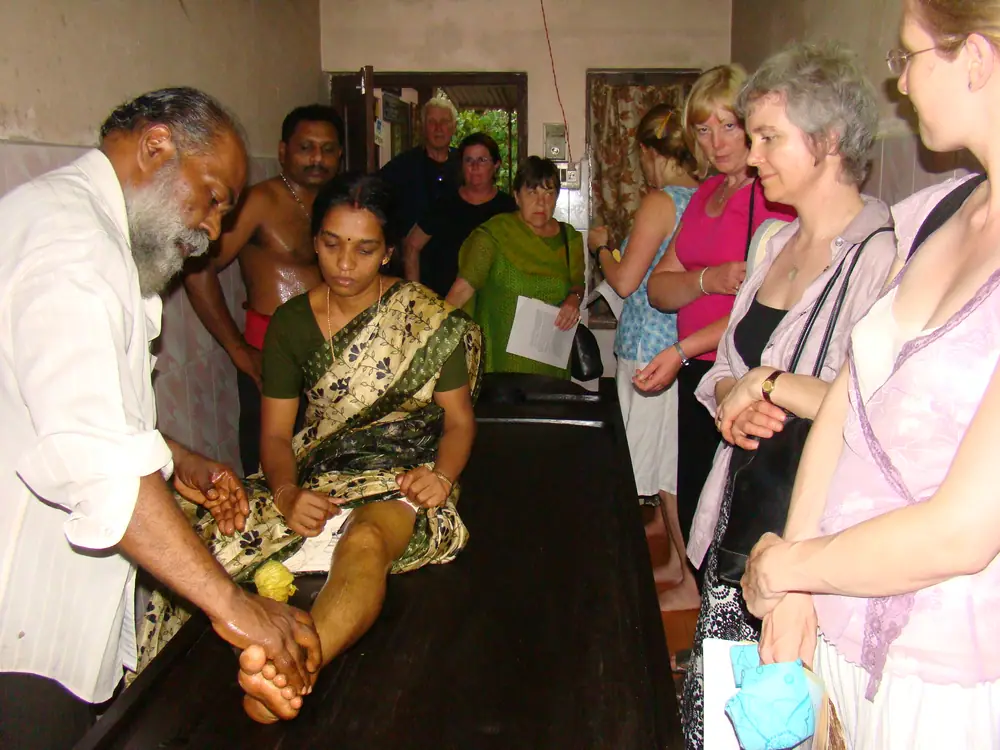 Longevity
Soma Manaltheeram Ayurveda Beach Village · Kerala
Ayurveda Anti-Ageing Programme
Manaltheeram’s anti-ageing package — purification first, then Rasayana — sold as a fourteen-night or twenty-one-night stay.
- 14 nights
- 14 / 21
FromUS$2,630per personDetails- Rest & rebuild
AyurSoma · Kerala
Rejuvenation Therapy (Rasayana Chikilsa)
AyurSoma’s Rasayana package — oil massage by two therapists, rejuvenation medicines and a steam bath — from seven nights.
- 7 nights
- 7 / 14
FromUS$1,510per personDetails 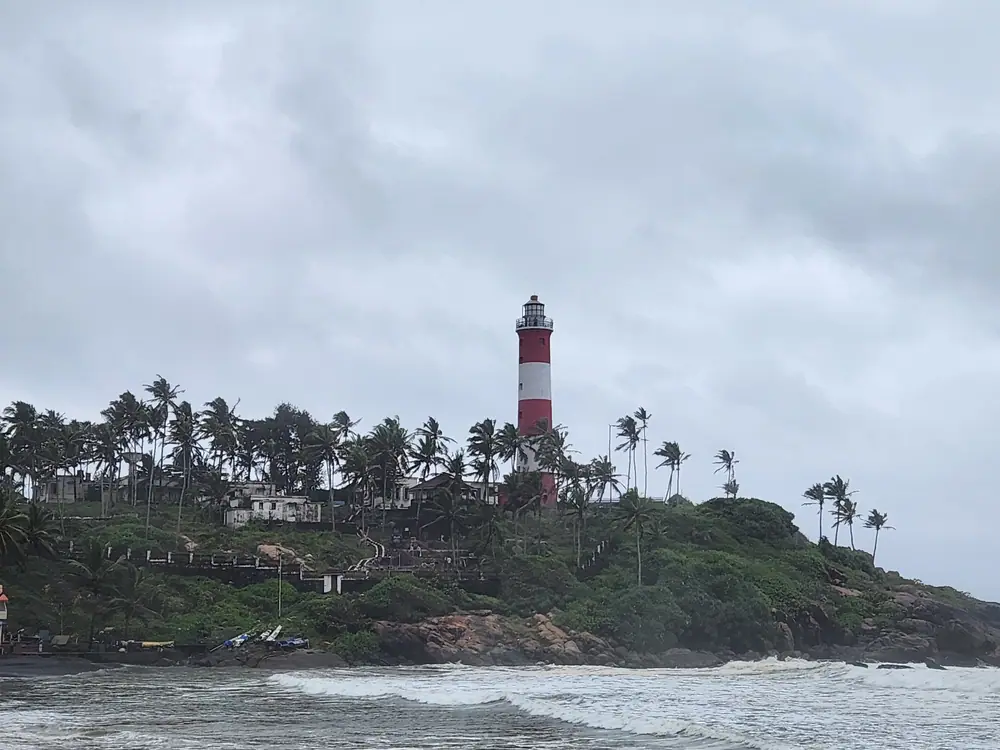 Rest & rebuild
AyurSoma · Kerala
Ayur Yoga Retreat
AyurSoma’s Hatha yoga retreat with an Ayurveda package — Rejuvenation or Body Purification — sold as seven or fourteen nights.
- 7 nights
- 7 / 14
FromUS$1,890per personDetails- Detox & cleanse
Soma Palmshore · Kerala
Rejuvenation or Body Purification Therapy
Soma Palmshore’s Ayurveda package at Kovalam — Rejuvenation or Purification with treatment and full board — from seven nights.
- 7 nights
- 7 / 14
FromUS$820per personDetails 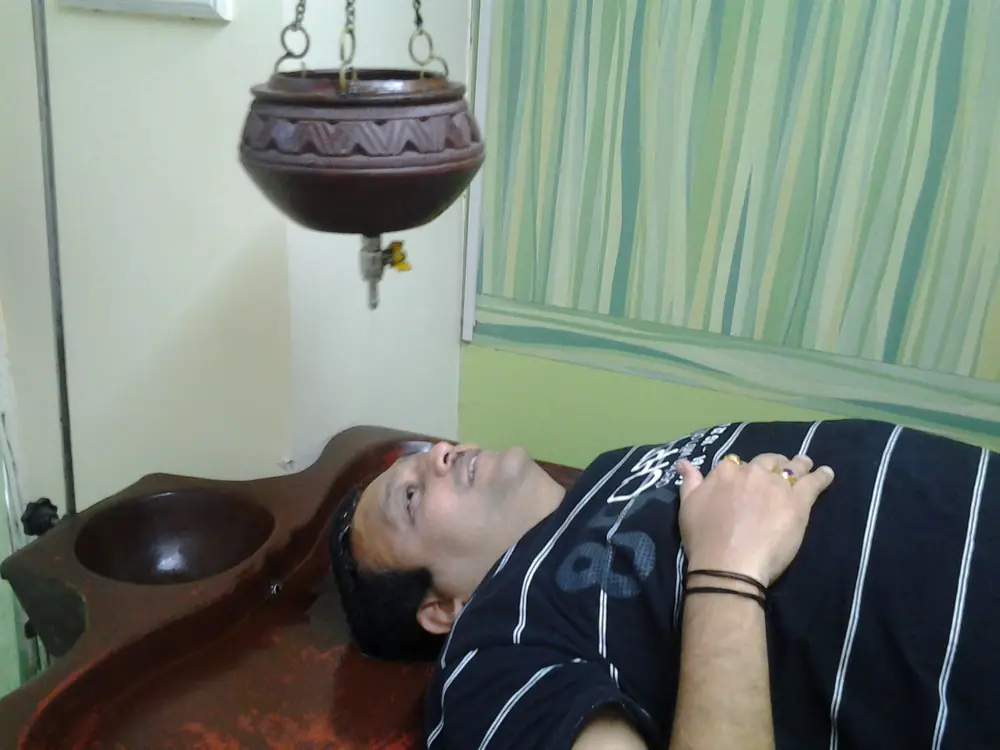 Weight & metabolism
Soma Palmshore · Kerala
Slimming Programme
Soma Palmshore’s slimming package — herbal powder and oil massages, steam baths and a special diet — for 21 or 28 nights.
- 21 nights
- 21 / 28
FromUS$2,680per personDetails
When to come
The season, place by place
| Destination | Jan | Feb | Mar | Apr | May | Jun | Jul | Aug | Sep | Oct | Nov | Dec |
|---|---|---|---|---|---|---|---|---|---|---|---|---|
| KeralaIndia | Jan: good alternative | Feb: good alternative | Mar: less suitable | Apr: less suitable | May: less suitable | Jun: preferred season | Jul: preferred season | Aug: preferred season | Sep: preferred season | Oct: good alternative | Nov: good alternative | Dec: good alternative |
| RishikeshIndia | Jan: good alternative | Feb: preferred season | Mar: preferred season | Apr: preferred season | May: less suitable | Jun: less suitable | Jul: less suitable | Aug: less suitable | Sep: preferred season | Oct: preferred season | Nov: preferred season | Dec: good alternative |
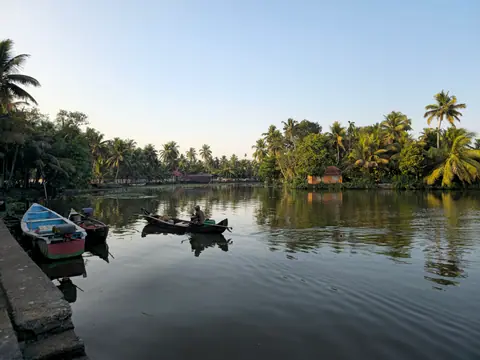
Kerala. For treatment the monsoon is the season — not despite the rain but because of it. Humidity keeps the skin and channels receptive to oil, the air is cool, and Keralans have taken their own annual course in this month for centuries. March to May is the part to avoid: 35 °C and humid is a poor climate for daily oil therapy. The brochures sell January because January photographs better, and it costs a great deal more for a less effective fortnight.
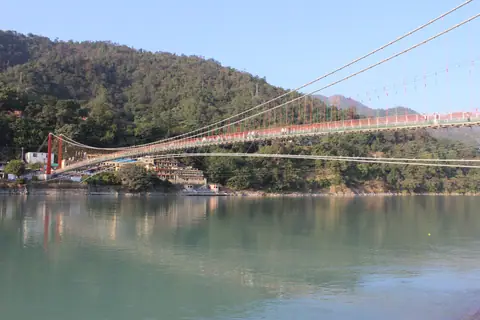
Rishikesh. February to April and late September to November: warm days, cold clear nights, and a river that is green rather than brown and in spate. July and August are landslide season in the hills. May and June are simply too hot for a full practice schedule, and December to January is cold enough that an unheated ashram room becomes a test of commitment.
Asked and answered
Before you ask
Is a week enough?
Can I keep taking my medication?
How do I know the physician is real?
Is the food really that strict?
Will I be cold, bored, or both?
Is the monsoon really better, or is that a way to sell the low season?
Not sure this is the right list?
Tell us what you want from the trip and we will help compare suitable properties, programme styles and travel dates for India or a better-fitting alternative.
Ask Heal & Rest