 Flagship
ayurvedaSomatheeram Ayurveda Village · Kerala
Body Purification Therapy (Shodhana Chikilsa)
Somatheeram’s Panchakarma purification package — Shodhana Chikilsa — sold as a seven-night or fourteen-night stay.
FromUS$2,060per person
By how you want to feel
Answer three questions — what you need, where, and when — and see the retreats that fit.
Open the retreat finderWellness resorts & clinics
By kind of place
Wellness tradition · India
India’s licensed system of medicine, practised as medicine
What happens
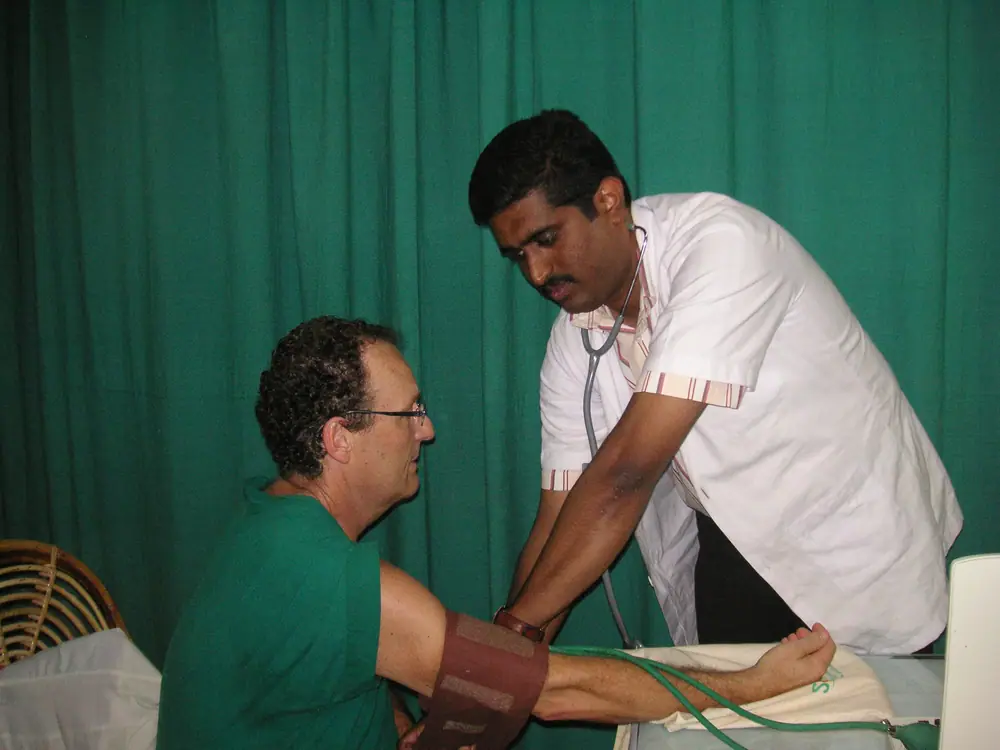
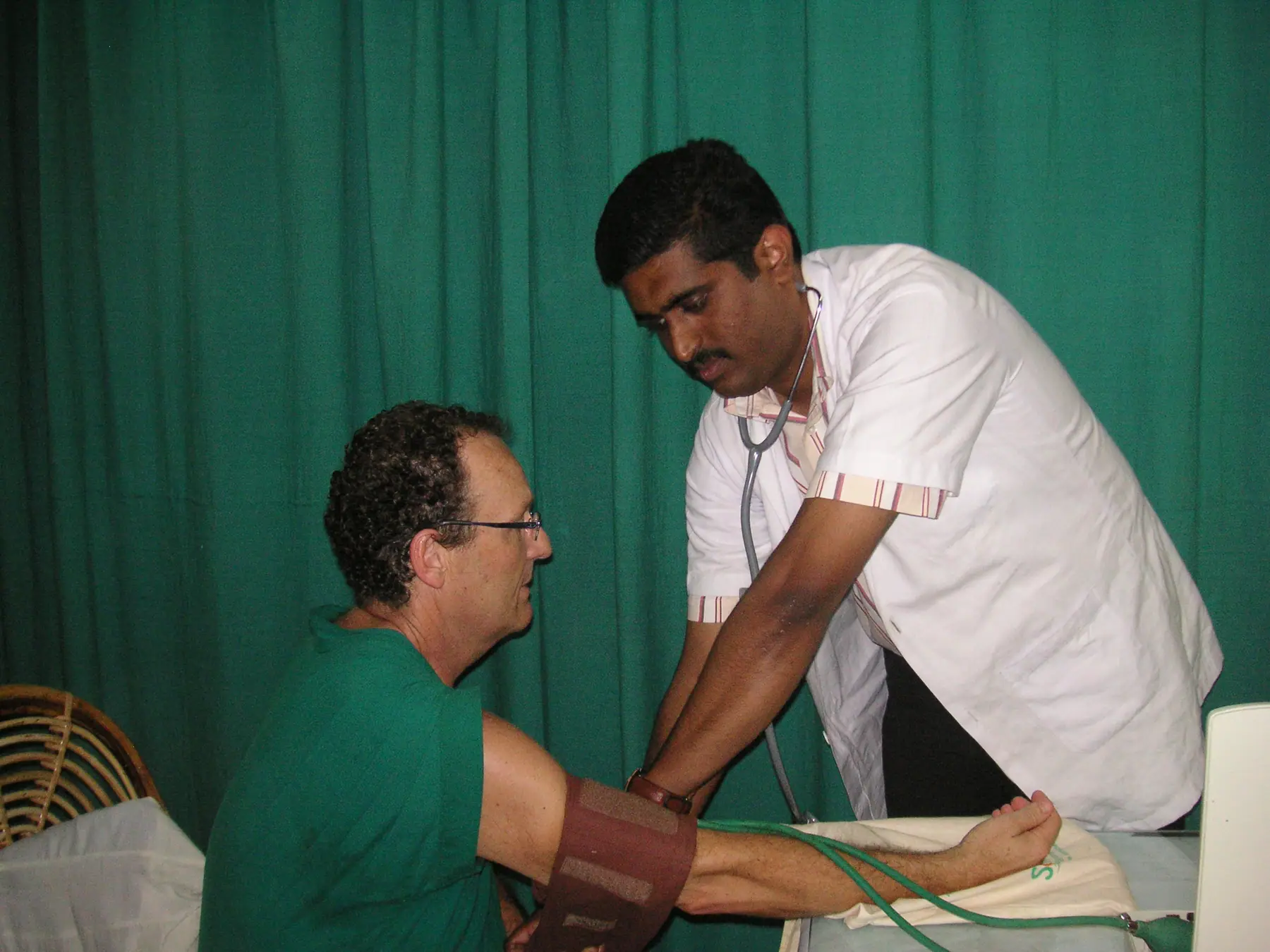
A physician examines you on arrival — pulse, tongue, digestion, sleep, history — and writes a prescription that is revised every morning for the length of your stay. Days are built around your digestion and the sun: a long therapy block before noon, the largest meal at midday, a deliberately empty afternoon, dinner finished before seven.
North and South India, continuously for well over two thousand years.
Regulated in some destinations. A licensed medical system in India. Physicians hold a BAMS — five and a half years including a clinical internship — and are registered with a state medical council. In most other countries it is a complementary therapy with no equivalent protection, which is precisely why where you go matters.
Where to go
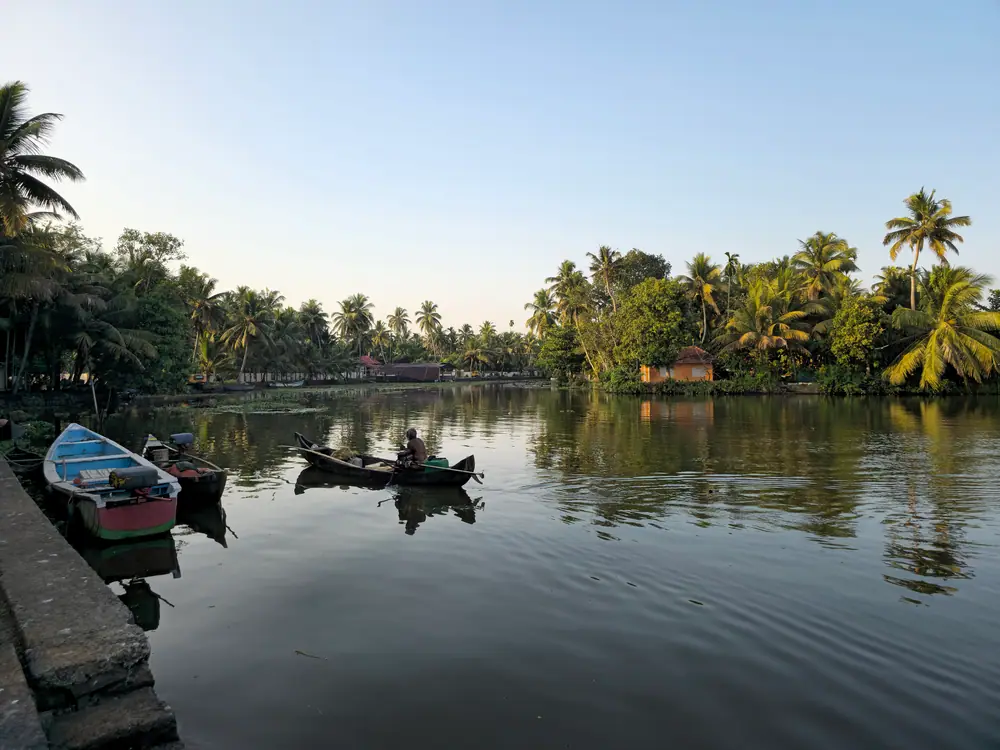
The one place on earth where Ayurveda is at once a licensed medical system, a 120-year-old pharmaceutical industry and a tourism product.
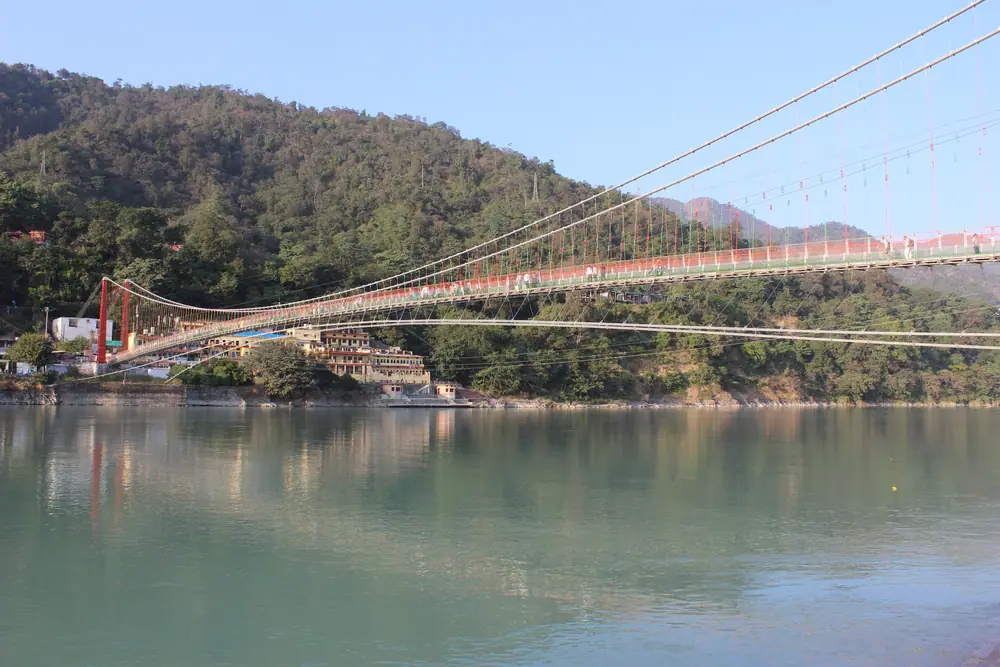
Where modern transnational yoga was institutionalised — and then, in 1968, handed global celebrity.
Where it is practised
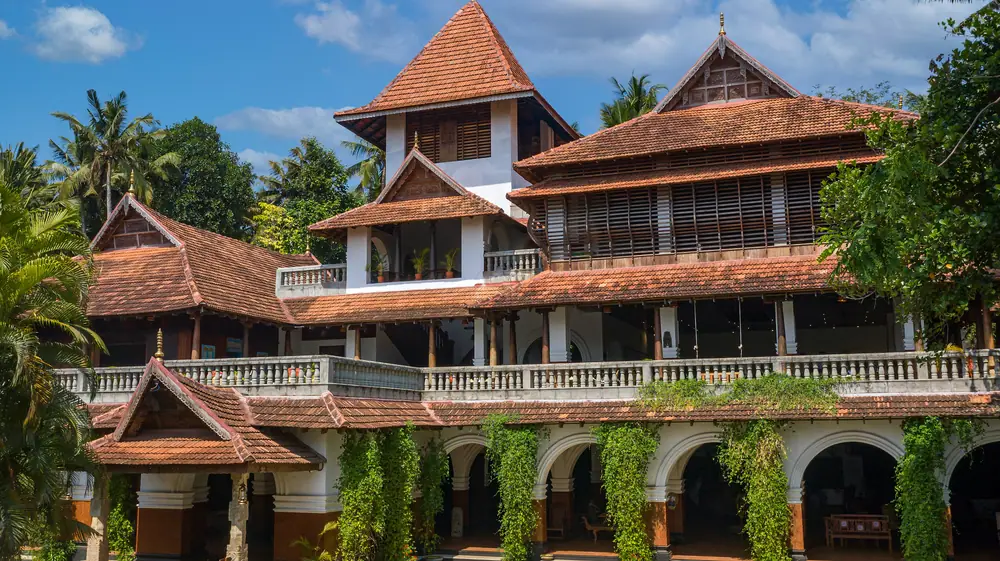 Ayurveda hospital
Kerala, India
An Ayurveda hospital on a hillock at Chowara Beach. Its About page calls it the "World’s First Ayurveda Hospital with a Resort Ambiance" — its own claim, worded differently across its pages, one of which limits it to India.
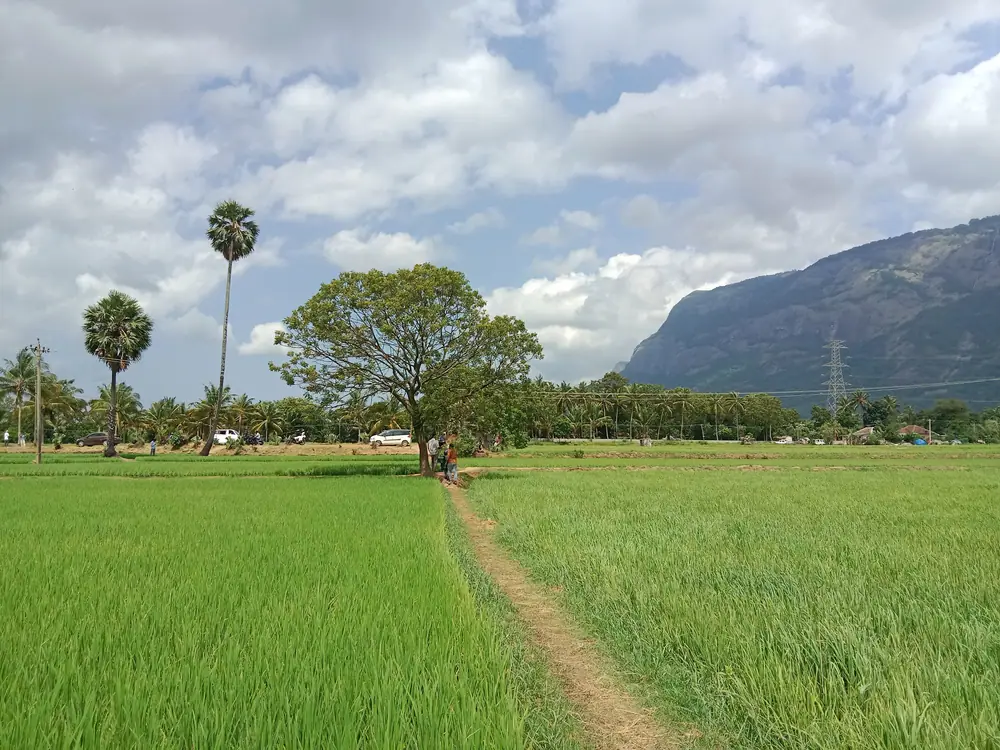 Ayurveda hospital
Kerala, India
An Ayurveda hospital run by CGH Earth in what it describes as a 200-year-old palace near Kollengode, with 19 rooms, 12 treatment rooms and a 14-day minimum stay. The NABH certificate the site links ran until 28 January 2026.
 Retreat resort
Kerala, India
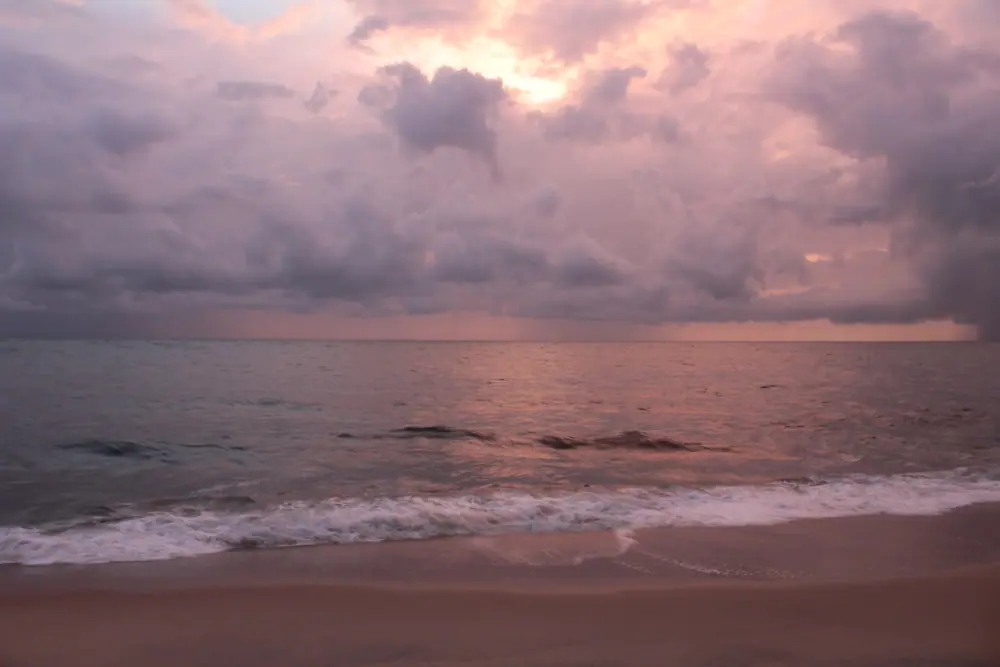
A villa resort with its own Ayurveda spa on the Arabian Sea shore at Marari, Alappuzha, set in what it describes as 25 acres of landscaped gardens.
 Retreat resort
Rishikesh, India
A wellness retreat on the 100-acre former palace estate of the Maharaja of Tehri-Garhwal, overlooking Rishikesh and the Ganga valley. Its press kit says it opened in 2000 as India’s first luxury wellness retreat.
 Retreat resort
Rishikesh, India
Opened as Vana in January 2014 and part of Six Senses since 2023, it is a full-board retreat whose core offering, in its own words, is based on Ayurveda, yoga, Tibetan medicine and natural healing therapies.
 Retreat resort
Kerala, India
An Ayurveda and yoga resort in Cherai that claims a physician lineage dating to 1952, publishing nine named programmes of 7 to 28 days and protocols for back pain, spine and neck, stroke, Parkinson’s and trigeminal neuralgia.
 Ayurveda hospital
Kerala, India
It describes itself as an NABH-accredited Ayurvedic hospital, and its directions page says "It is not a spa." Its programme pages print per-night rates for four villa categories in rupees, dollars and euros.
 Ayurveda hospital
Kerala, India
The site describes Back to Roots as an Ayurvedic hospital and retreat for in-patient treatment, with eight programmes of seven days or more and a founding physician whose clinic group is in the UAE.
 Retreat resort
Kerala, India
A hilltop Ayurvedic treatment centre that calls itself a 'Heritage Ayurveda Retreat'. It publishes a day of two prescribed therapy sessions and yoga morning and evening, and its headline programme is a 28-day Panchakarma.
 Retreat resort
Rishikesh, India
A 29-room retreat (the FAQ’s count) in Rishikesh that describes itself as a holistic wellness retreat built on Ayurveda, naturopathy, yoga and meditation, and prints nightly rupee rates on its own site.
 Retreat resort
Rishikesh, India
A yoga teacher-training school in Tapovan that describes itself as a Yoga Alliance USA registered RYS 200, 300 and 500 school. It also sells 3-, 5- and 7-day retreats, each with published prices, dates and a timed daily schedule.
 Retreat resort
Kerala, India
An eleven-suite riverside retreat north of Trivandrum where every room is a "Spasuite" with its own treatment area. The site says most treatments are given in the suite, with a rooftop spa for heavy-oil ones.
 Ashram & yoga school
Rishikesh, India
A Hatha yoga teacher-training school that says it is registered with Yoga Alliance, selling 200-, 300- and 500-hour courses and 3- to 14-day yoga, Ayurveda and detox retreats; the site says its Abhayaranya ashram has no vehicle access.
 Retreat resort
Rishikesh, India
An Ayurveda and naturopathy resort on the Haridwar–Dehradun road whose page titles say Rishikesh. It publishes three different lists of what a stay includes.
 Retreat resort
Rishikesh, India
A family-run retreat in Selur, Tehri Garhwal, selling a three-, five- or seven-night Rudraksh Yogic Detox and a seven- or ten-night Ayurveda Panchakarma.
 Retreat resort
Rishikesh, India
An Ayurveda and yoga retreat on Neelkanth Road, Rishikesh, whose four main package pages give daily treatment minutes and a recommended stay.
 Ayurveda hospital
Kerala, India
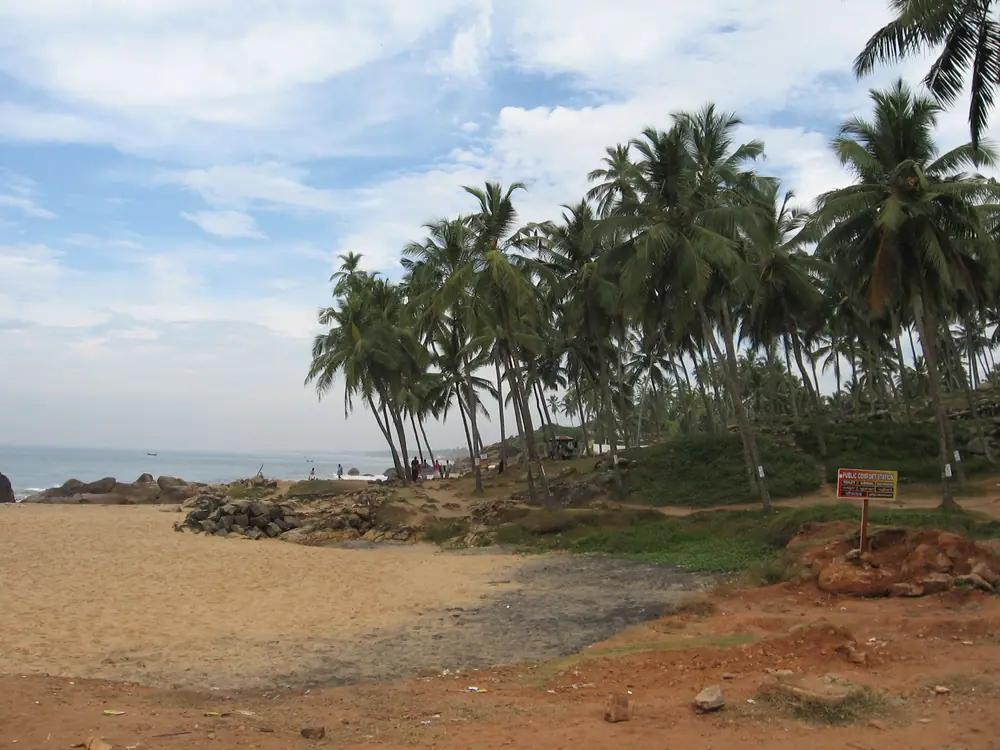
The Somatheeram group’s beach-level Ayurveda hospital at Chowara: thatched mud-and-brick cottages among the palms, most with a sea view, and the same doctor-led packages as Somatheeram.
 Ayurveda hospital
Kerala, India
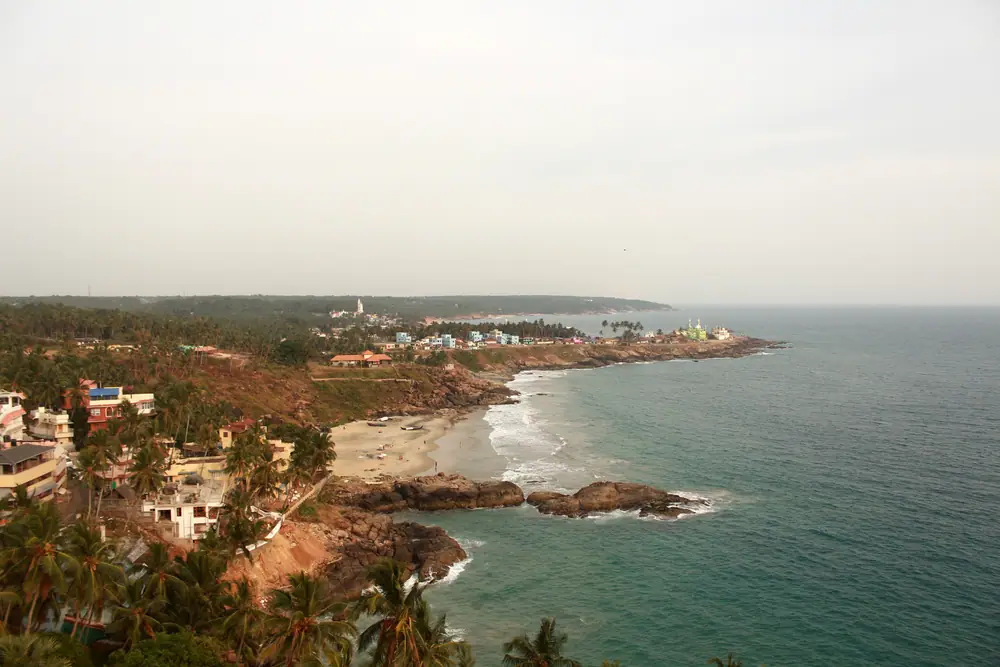
The Somatheeram group’s flagship, built in Kerala temple-and-palace style on the hill beside Somatheeram, with sea-view rooms, an infinity pool and private treatment rooms in its top categories.
 Retreat resort
Kerala, India
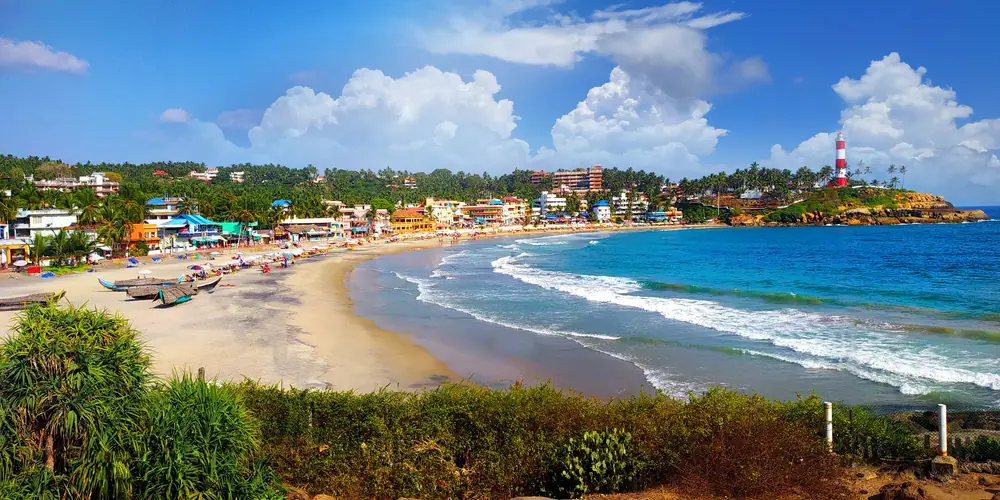
The Somatheeram group’s house at Kovalam itself, on the cliffs along Lighthouse Road: three categories of sea-facing rooms, with Ayurveda packages from seven nights or a room on breakfast.
Programmes
FlagshipSomatheeram’s Panchakarma purification package — Shodhana Chikilsa — sold as a seven-night or fourteen-night stay.

Somatheeram’s stress management package — yoga, meditation, dhara and massage — sold as a fourteen-night or twenty-one-night stay.
Panchakarma over 21 to 28 days at a palace near Kollengode the property describes as 200 years old and a NABH-accredited Ayurveda hospital.
Price on request
Carnoustie describes it as a combination of Ayurveda and yoga, with daily treatment and a daily doctor’s consultation.
Price on request
 Flagship
Ananda’s Ayurvedic programme for immunity and vitality, sold at 7, 14 or 21 nights on the Palace Estate at Narendra Nagar.
Manaltheeram’s Rasayana package — oil massage by two therapists, rejuvenation medicines and a steam bath — sold as seven or fourteen nights.
Manaltheeram’s anti-ageing package — purification first, then Rasayana — sold as a fourteen-night or twenty-one-night stay.
AyurSoma’s Rasayana package — oil massage by two therapists, rejuvenation medicines and a steam bath — from seven nights.
Soma Palmshore’s Ayurveda package at Kovalam — Rejuvenation or Purification with treatment and full board — from seven nights.
Soma Palmshore’s slimming package — herbal powder and oil massages, steam baths and a special diet — for 21 or 28 nights.
Tell us your dates and budget — a specialist will shortlist the right house, length and month, free.
Research notes
A plain-English guide to the main claims, including where evidence is mixed, limited or based mainly on traditional use.
Small trials and a very long clinical tradition. Sustained local heat and manual work on a guarded muscle has an unmysterious mechanism; the trials are mostly small, unblinded and conducted in India.
The best-known trial compared a classical Ayurvedic regimen with methotrexate in RA and found broadly comparable symptom outcomes in a small sample. One promising small trial is not a basis for changing your treatment.
Ama is a coherent concept inside the system and it is not a measurable substance that purification has been shown to clear. What a properly run Panchakarma demonstrably does is change diet, sleep, activity and digestion for three weeks under supervision — which is quite enough to explain how people feel afterwards.
Central to the system, and attempts to validate dosha typing against biological markers have been inconclusive. Treat it as the framework a skilled physician uses rather than as a diagnostic test.
Several small studies show reductions in anxiety measures. Forty minutes of warm oil on the forehead in a dark room is also a near-perfect relaxation protocol, which is not a criticism.
Flatly untrue and the most important line on this page. Some classical rasa shastra preparations contain heavy metals by design, and independent testing of imported products has repeatedly found lead, mercury and arsenic. Buy from the treating hospital, never from a market, and tell the physician every drug you take.
An editorial travel summary, not a systematic review or a medical recommendation. Research evolves; seek current professional advice for personal health decisions.
What a programme may include
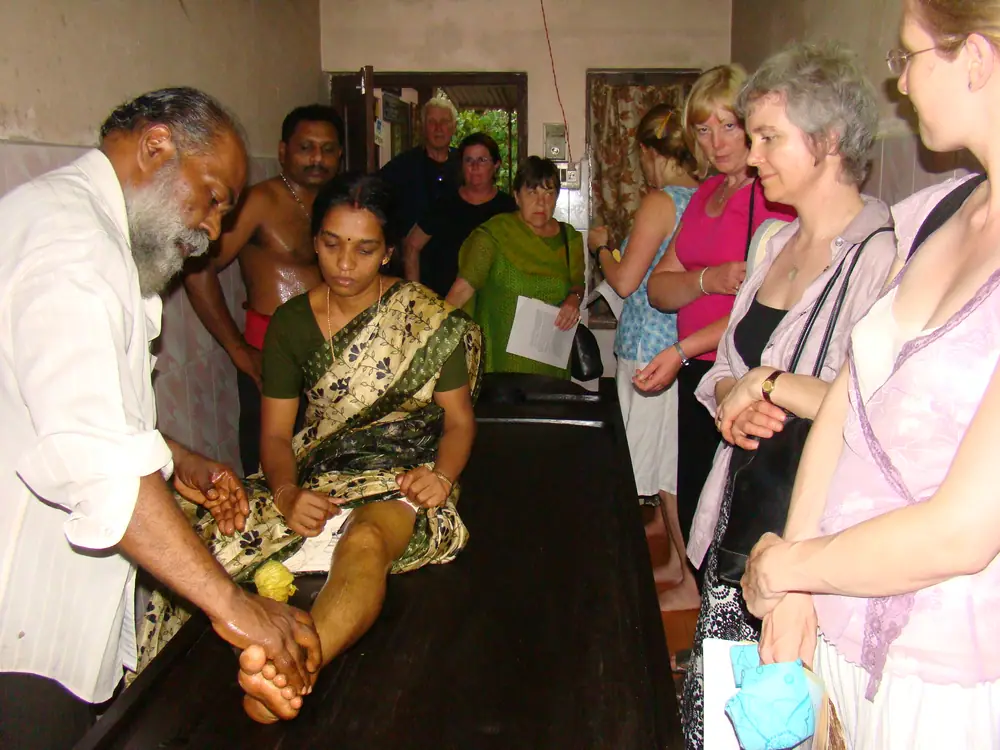
Full-body massage with warm medicated oil, usually by two therapists working in synchrony. Firm, long, repetitive strokes rather than deep-tissue work. You will be oiled from scalp to feet and you will not fully wash it out for a fortnight — bring old clothes.
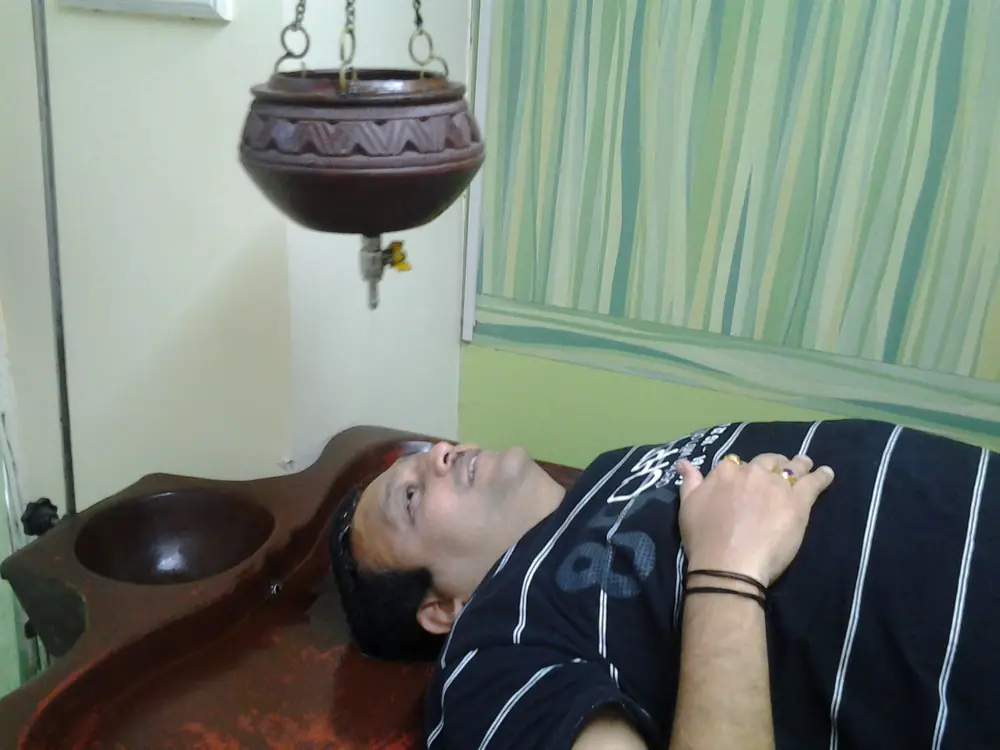
A continuous stream of warm oil poured onto the forehead from a suspended vessel, in a dark quiet room. Almost everyone finds it strange for four minutes and then loses track of time. Prescribed for sleep, anxiety and headache.
Herbal steam, usually in a wooden box with your head outside it. It follows oil for a reason: the heat drives the oil inward and opens the channels the massage has loosened.
A measured therapeutic purgation, given after a week of preparation, on the physician’s judgement rather than to a schedule. You spend the day in your room within reach of a bathroom and are checked hourly. Unpleasant, brief, and the point of the whole three weeks.
Medicated enema — oil-based or decoction-based — and considered the single most important procedure in the system for vata disorders. Far less dramatic in practice than it sounds on paper.
Medicated oil administered through the nostrils after facial steam and massage, for complaints above the collarbone: sinuses, headache, some sleep problems.
Boluses of medicated rice cooked in milk, applied hot in rhythm by two therapists. Deeply nourishing rather than mobilising, and usually part of the rebuilding phase rather than the purification one.
In more detail
Ayurveda is a licensed system of medicine in India, which is the single fact that separates it from almost everything sold under its name elsewhere. A physician holds a BAMS — a five-and-a-half-year degree including a year of clinical internship — is registered with a statutory council, and practises in hospitals the state inspects. The person offering you an "Ayurvedic massage" in a beach hut has none of that, and the word does not distinguish between them.
The system is constitutional rather than symptomatic. It begins from the idea that people differ in a patterned way — the three doshas are the shorthand — and that the same complaint in two bodies wants two different treatments. In practice this means an examination before anything is prescribed, a prescription that changes daily, and a diet that is part of the medicine rather than a lifestyle suggestion.
What travellers meet is usually one of two lines. *Shamana* is the gentler, palliative one: oil therapy, diet, herbs, rest. *Shodhana* is purification, of which Panchakarma is the classical form, and it is a genuine medical procedure with a preparation phase, a removal phase and a rebuilding phase — three weeks properly, fourteen nights at an absolute minimum. Almost everything sold internationally as "Panchakarma" is the massage that precedes it.
Facts you can check
Tell them apart
The test is whether a physician examined you before anything was decided, and whether the prescription changed during the stay. A menu you choose from is a spa, however good the oils and however Sanskrit the names. Both can be enjoyable; only one is medicine, and only one carries contraindications worth declaring.
The vocabulary
Questions